

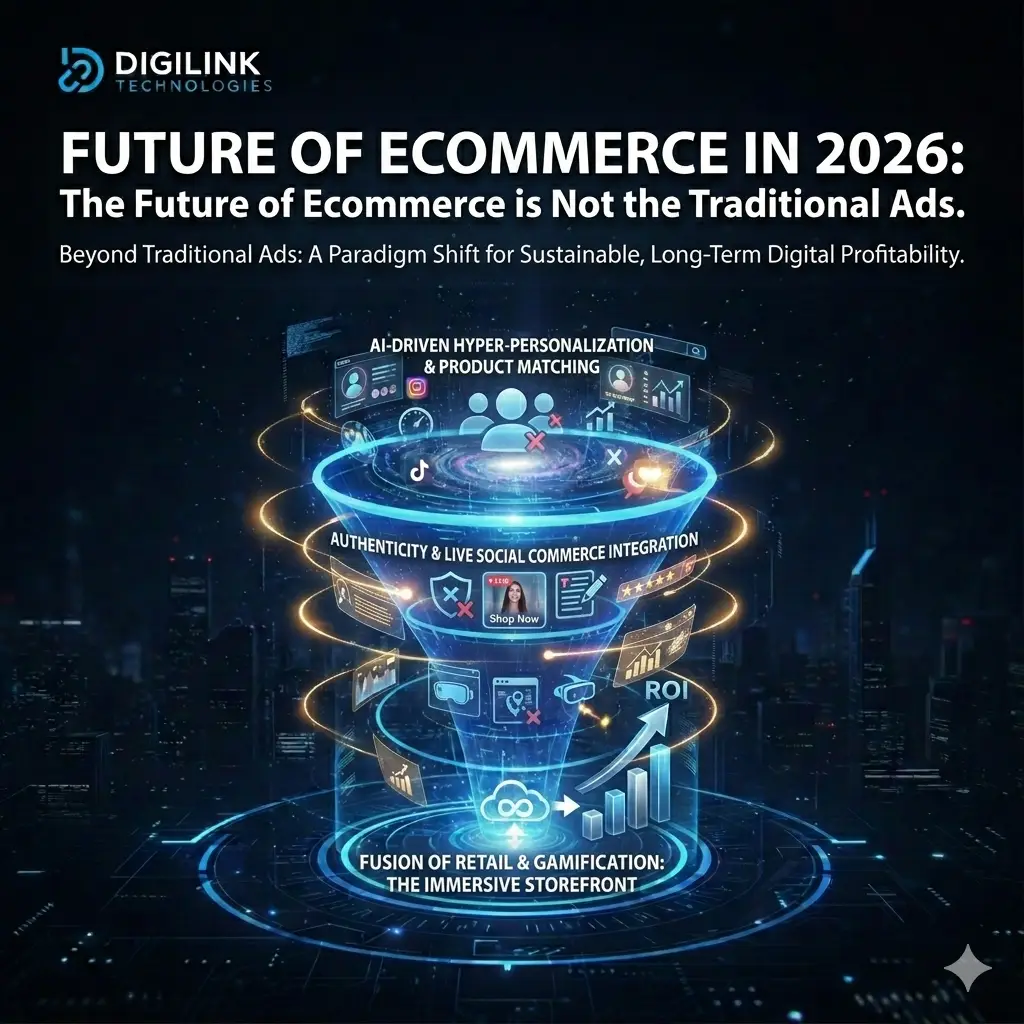
The year 2026 does not mark the end of ecommerce as a way of running Facebook ads and optimizing product pages. The online market has become a very competitive and technology-intensive environment where brands can no longer think in the same way as they have always done with their advertising.
Modern consumers are fast, personalized, convenient, and desire unhindered digital experiences. Those businesses that accommodate such expectations are growing at a faster rate and achieving a greater customer loyalty. The future of ecommerce does not lie on spending on more advertising but rather on creating smarter systems of growth.
The Rise of Social Commerce
Social media platforms are not merely used to interact anymore but they have become actual shopping centers. The products are found by consumers in short-form videos and through influencer recommendations, live stream, and in-app shopping features.
Social trade eases the purchasing process. Rather than clicking through numerous links, users are able to explore, compare and buy products on the platform. Brands which combine content and commerce are experiencing increased engagement and conversion rates.
Artificial Intelligence Dynamics of Shopping.
The future of ecommerce is Artificial Intelligence. Technology is improving the customer experience through personalized product suggestions, chatbots with AI capabilities, and predictive search.
Intelligent algorithms interpret the browsing history, purchases and preferences to provide tailored shopping experiences. Such kind of personalization enhances customer satisfaction and average order value.
Brands can also be using AI to streamline their pricing decisions, predict demand, and conduct marketing campaigns without manual work and improve marketing performance.
The Movement To Omnichannel Selling.
Brands are no longer accessed by customers in a single channel. They shop on phone, research on the computer, and shop in the applications or platform. Such change necessitated the omnichannel presence.
Effective ecommerce brands have strong branding and messaging throughout the websites, marketplaces, social sites, and email marketing. A cohesive experience develops trust and enhances retention of customers.
First-Party Data and Personalization.
First-party data is becoming a major emphasis of the brands as privacy regulations tighten. Email subscription, loyalty programs and interactive contents allow business to collect valuable customer information in an ethical manner.
This information enables brands to build one-on-one campaigns, identified promotions, and customized content that will appeal to their audience. It is not optional but is expected to personalize further.
More than Paid Ads: Developing Sustainable Growth.
Conventional paid advertisement is still relevant, although the use of the ads alone is a risky and costly activity. Competition is on the up and acquisition costs have become more expensive to ensure profitability.
The future of ecommerce growth is in terms of combining:
Strong SEO strategies
Conversion-optimized websites
Performance marketing
Integration of social commerce.
Automation and retention of email.
Data-driven optimization
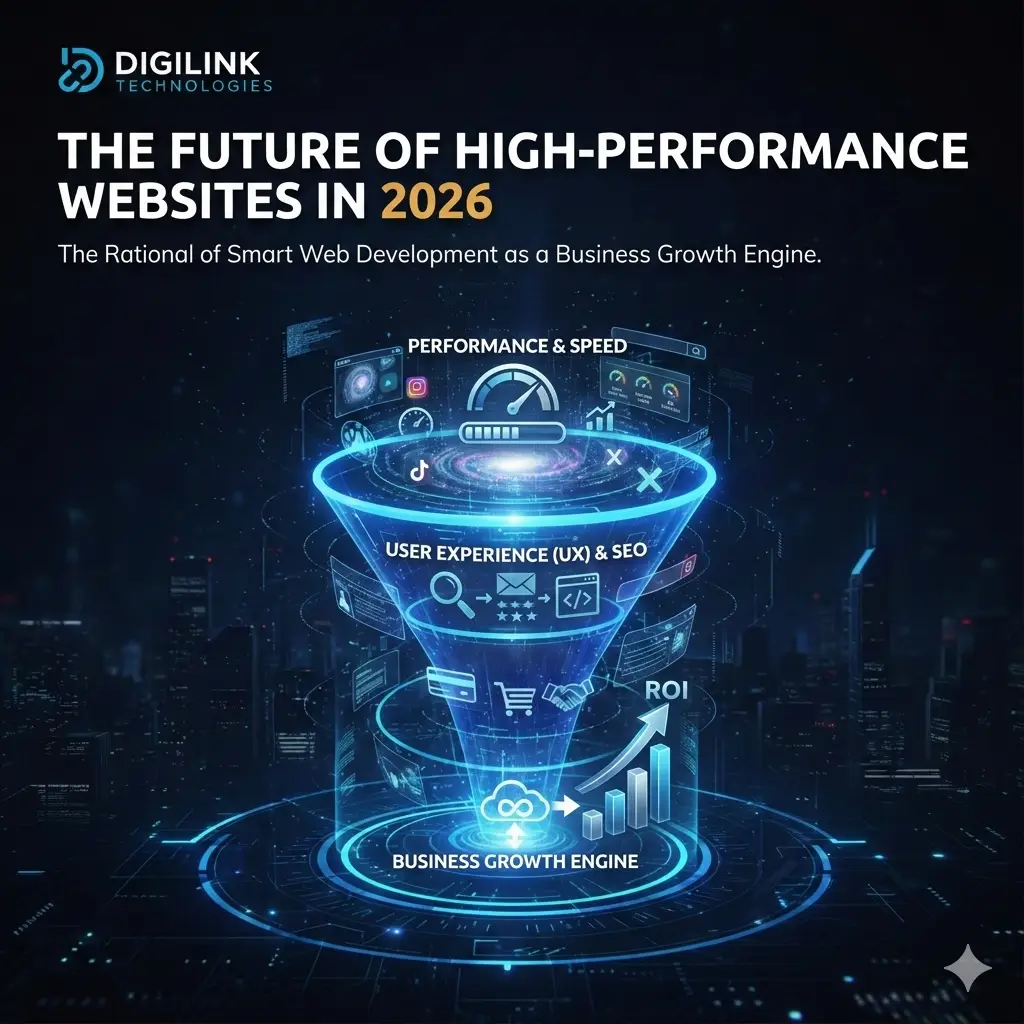
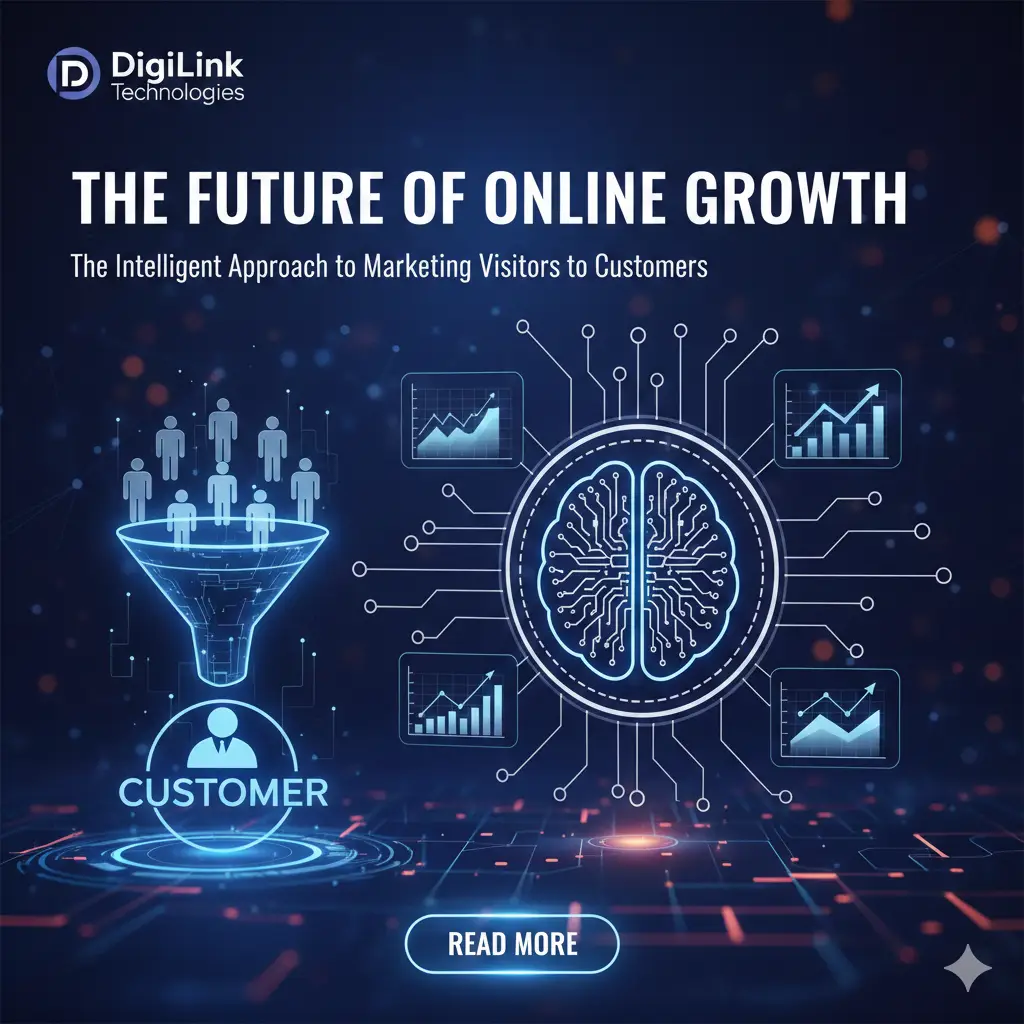
Brands form a growth engine that can be scaled rather than relying on one source of traffic when these factors combine.
How DigiLink will Assist Ecommerce Brands to Scale in 2026.
DigiLink is aware that ecommerce success cannot occur by simply running advertisements. Since the development of high-performance websites and the adoption of SEO techniques, optimization of paid campaigns, as well as integration of social commerce solutions, DigiLink develops comprehensive growth systems of online brands.
DigiLink enables ecommerce business to pass the obstacle of traditional advertisement and establish revenue streams that can sustain themselves by using the combination of data-driven marketing, conversion-oriented web development, and performance optimization.
Final Thoughts
The future of ecommerce in 2026 is swift, dynamic, and has opportunities. The digital marketplace will be dominated by brands that will adopt innovation, personalization, and omnichannel strategies.
Whether ecommerce is on the increase or not is not the question, as it is evident that it is increasing.
The issue at hand is, is your brand prepared to go beyond the conventional advertising and move forward to the future?

One Response
82vn is the place to be! For reals. Had some decent luck there. So go see what you think! Check it out here: 82vn